Plumbing and Sediment
How corrosion develops inside older plumbing systems
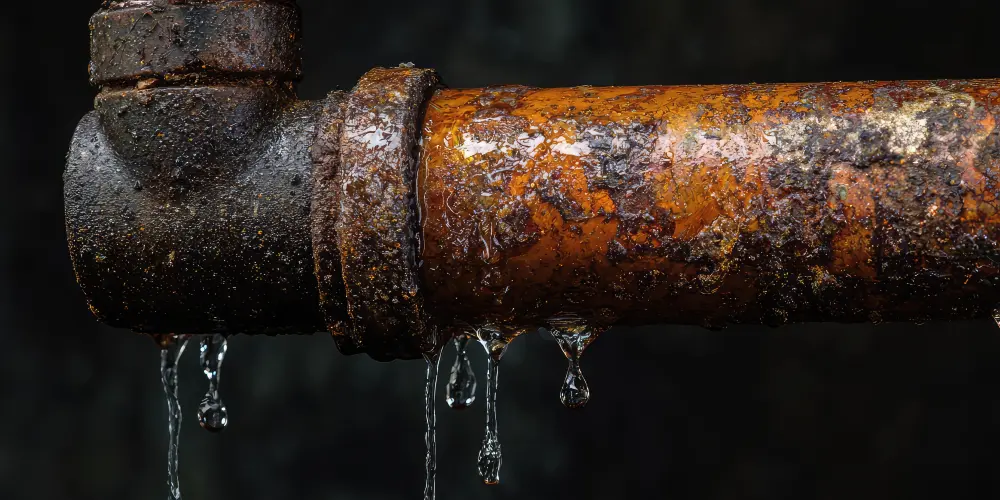
Corrosion inside older plumbing systems develops gradually as a natural result of long-term exposure between water, oxygen, and metal pipes. In many residential buildings, especially older apartments, brownstones, and prewar properties, plumbing systems were originally built using materials like galvanized steel, iron, or cast iron. These materials are strong, but they are not immune to chemical reactions that occur over decades of continuous water flow.
When water moves through metal pipes, it slowly interacts with the inner surface of the material. Oxygen dissolved in water plays a key role in this process. Over time, it triggers oxidation, which causes the metal to break down and form rust. This rust begins as a thin layer but gradually expands, creating rough, flaky deposits inside the pipe walls. In the early stages, this corrosion may not be noticeable to residents because the water still flows normally.
However, as years pass, corrosion becomes more advanced. The inner surface of the pipes becomes uneven and weakened. Mineral deposits from hard water can combine with rust, forming thicker layers of buildup. This reduces the internal diameter of the pipes, which can affect water pressure and flow. In older residential buildings, this process is often accelerated by inconsistent maintenance, fluctuating water usage, and aging infrastructure conditions.
Temperature changes and water pressure variations can also disturb these corrosion layers. When this happens, small particles of rust break loose and enter the water supply. This is often when residents first notice brown, orange, or reddish discoloration coming from their faucets.
In dense urban areas with older housing stock, such as Manhattan, Brooklyn, and Queens, many buildings still rely on plumbing systems that have been in place for decades. These systems continue to degrade slowly over time, even if they appear functional on the surface.
Ultimately, corrosion is not an instant problem. It is a slow, continuous process that builds silently inside pipes until it becomes visible through changes in water clarity, pressure, or color.
Why rust particles may enter drinking water in aging pipes
Rust particles may enter drinking water when the internal structure of metal pipes begins to break down over time due to corrosion. In many older residential buildings, especially apartments, brownstones, and prewar constructions, plumbing systems were originally built using materials like galvanized steel or iron. These materials were once considered durable, but decades of constant exposure to water, oxygen, and minerals slowly trigger oxidation inside the pipes. This oxidation process is what creates rust, and as it develops, small particles can start to separate from the pipe walls.
Inside aging plumbing systems, corrosion does not happen evenly. Certain sections of piping may remain relatively stable while others degrade faster depending on water flow, pressure changes, and mineral content in the water supply. When water sits idle in pipes for extended periods, such as overnight or during low usage hours, rust particles and sediment have more time to settle along the inner surfaces. Once water flow resumes, especially when pressure increases suddenly, these accumulated particles can be dislodged and carried into faucets, sinks, and showerheads.
Another common reason rust enters drinking water is internal pipe narrowing. As corrosion builds up, the inside diameter of the pipe becomes rougher and smaller. This creates turbulence in water flow, which increases friction and loosens additional rust deposits. Over time, this cycle repeats, gradually increasing the amount of visible discoloration in the water.
In older urban buildings across cities like New York, Jersey City, and similar densely built areas, plumbing systems often operate beyond their intended lifespan. Even if municipal water is properly treated and safe at the source, the condition of internal building pipes plays a major role in the final water quality experienced by residents. This is why rust particles are more commonly observed in aging infrastructure, especially during pressure changes, maintenance work, or sudden water usage spikes.
Ultimately, rust in drinking water is not usually caused by a single event, but by long-term pipe degradation combined with normal system disturbances that release trapped corrosion into the water flow.

Plumbing materials commonly found in historic brownstones and apartment buildings
Historic brownstones and older apartment buildings often contain plumbing systems built with materials that were widely used decades ago but are now considered outdated by modern standards. These materials were chosen at the time for durability and cost efficiency, but over long periods of continuous use, many of them begin to show signs of wear, corrosion, and internal degradation that can affect water quality and appearance.
One of the most common plumbing materials found in older residential buildings is galvanized steel. These pipes were coated with a protective layer of zinc to prevent rusting, but over time this coating naturally breaks down. Once the protective layer wears away, the steel underneath begins to corrode, leading to rust buildup inside the pipe walls. This internal corrosion is one of the key contributors to water discoloration issues, especially in buildings that have not undergone full plumbing replacement.
Cast iron piping is also frequently found in historic buildings, particularly in drainage and waste systems. While cast iron is strong and long lasting, it is still susceptible to internal corrosion when exposed to moisture over decades. As rust develops inside these pipes, small particles can loosen and travel through the plumbing system, sometimes affecting water clarity in connected lines.
Copper piping is another material commonly used in mid to late renovation phases of older buildings. Although copper is more resistant to corrosion than steel, it can still develop mineral buildup depending on water chemistry. In some cases, older copper joints may also degrade over time, especially where maintenance has been inconsistent.
In many historic brownstones, plumbing systems are a mix of different materials installed at different times. This combination can create uneven water flow and varying levels of corrosion across the system. As a result, residents may experience intermittent water discoloration when sediment or rust becomes disturbed inside aging pipes.

How sediment buildup inside plumbing can affect water clarity
Sediment buildup inside plumbing systems is one of the most common yet overlooked factors that can affect the clarity and appearance of tap water in residential buildings. Over time, small particles such as rust, dirt, sand, mineral deposits, and organic matter can slowly accumulate within pipes. This process is gradual and often goes unnoticed until visible changes in water quality begin to appear. In many older apartment buildings, brownstones, and multi-unit residential properties, this issue becomes more noticeable due to aging infrastructure and long-term use of metal piping systems.
When water flows through pipes that contain sediment buildup, it can disturb and loosen these accumulated particles. As a result, the water may appear cloudy, yellowish, or even brown in color. This is especially common after periods of low water usage, plumbing repairs, or sudden changes in water pressure. The disturbance causes sediment that has settled along the inner walls of pipes to mix with the water stream, temporarily affecting its clarity.
In urban environments, sediment buildup is often linked to both internal plumbing systems and municipal water infrastructure. Older galvanized steel and iron pipes are particularly vulnerable because they corrode over time, contributing additional rust particles to the system. These particles combine with existing sediment, making discoloration more noticeable when water is turned on after a period of inactivity.
In some cases, sediment buildup may also affect water flow, leading to reduced pressure or uneven distribution throughout a building. This can further increase the likelihood of particles becoming dislodged and entering household faucets. Residents may notice that water appears clear after running for a few minutes, but returns to normal only once the system stabilizes.
Although sediment-related discoloration is often temporary, repeated occurrences can indicate deeper issues within plumbing systems. Aging pipes, lack of maintenance, or ongoing corrosion may require inspection to prevent further deterioration and maintain consistent water clarity.
