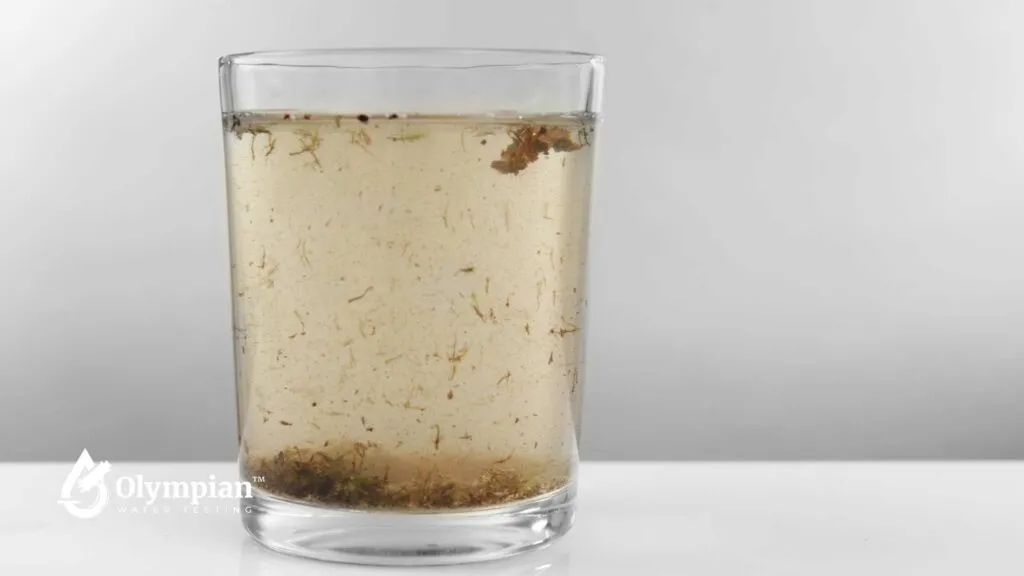
A brown-water episode often begins as a simple observation and quickly becomes a question about the entire route to the faucet. For households expanding from appearance concerns to plumbing understanding in NYC and North Jersey, the important issue is brown color becoming the entry point to questions about materials, use, and testing. The color may originate near one outlet, along a private branch, in shared building piping, or during a wider distribution disturbance. Those possibilities can look similar in a glass even though they lead to different responsibilities and different repair decisions. A careful response therefore begins with location, timing, temperature, recent work, and the number of affected fixtures rather than with a confident guess about rust. The aim is not to make every episode sound dangerous; it is to avoid treating a visible plumbing signal as meaningless before the property has been examined.
This guide applies the broader explanation of plumbing and corrosion fundamentals to any property where discoloration starts a broader review. It focuses on information that can be gathered without opening walls: first-draw behavior, clearing time, hot-versus-cold differences, neighbor patterns, and known repairs. Those observations can shape a sampling plan and help residents, owners, managers, plumbers, laboratories, and utilities discuss the same event with a shared vocabulary. Because brown water can reflect iron-bearing scale or sediment while other plumbing-related contaminants remain invisible, appearance should guide the investigation but never substitute for laboratory data. Until the event is understood, households should follow current local utility instructions and avoid using obviously discolored water for drinking or cooking.
Color Opens the Door to the Water-Path Question
The visible event at a faucet is the final point in a longer route that may include the street main, service line, building entry, riser, branch line, valve, connector, and fixture. In diagnostic terms, a useful diagnosis begins by identifying which portions of that route are private, shared, recently altered, or outside the resident’s control. In any property where discoloration starts a broader review in NYC and North Jersey, this matters because brown color becoming the entry point to questions about materials, use, and testing. The related the causes behind brown water helps place this boundary within a broader plumbing framework without treating color as a diagnosis.
Label every sample with fixture, floor, hot or cold status, first-draw or flushed status, date, and time. A result from one outlet describes that outlet under the sampled conditions; it does not automatically characterize every floor or room. Viewed from the plumbing side, mapping the water path prevents a fixture complaint from being mistaken for a citywide problem, or a building problem from being dismissed as a single aerator. A well-defined boundary gives the responsible party a concrete maintenance question instead of a general complaint.
Iron Leads Naturally to Corrosion and Material History
Corrosion is a chemical and physical interaction between water and plumbing materials, not merely a synonym for an old-looking pipe. For this property type, water chemistry, temperature, stagnation, flow velocity, pipe scale, and material combinations can influence what is released at the tap. In any property where discoloration starts a broader review in NYC and North Jersey, this matters because brown color becoming the entry point to questions about materials, use, and testing. A single clear sample collected after the event may not represent the water that triggered the complaint.
Preserve the timeline even if the water clears before a professional arrives. Iron can create red-brown color and staining, while other plumbing metals may be invisible and therefore require laboratory analysis rather than visual judgment. The NYC DEP guidance for reporting discolored water supplies an official reference point, while the property comparison shows whether that guidance fits this event. This approach turns a stressful visual event into a sequence of observations that can support a proportionate response.
Fixture Differences Introduce the Value of Controls
Comparing the kitchen, bathroom, tub, utility sink, and an outdoor or basement tap can reveal whether discoloration follows one branch or the whole property. Viewed from the plumbing side, a single affected outlet raises questions about the local shutoff, supply tube, faucet body, cartridge, or aerator before it raises questions about every pipe. In any property where discoloration starts a broader review in NYC and North Jersey, this matters because brown color becoming the entry point to questions about materials, use, and testing. The related technical brown-water resources helps place this boundary within a broader plumbing framework without treating color as a diagnosis.
Record the observation before flushing, then repeat the same check under a defined condition. Matching cold-water comparisons are usually more informative than mixing cold observations at one fixture with hot observations at another. This is especially relevant because the strongest fixture map records first draw, flushed water, hot versus cold, and the time each sample was observed. The next decision can then be limited to monitoring, fixture work, branch inspection, common-pipe review, or utility follow-up.
Timing Creates Better Questions About Stagnation and Disturbance
Timing often carries more diagnostic value than color alone because first-draw, post-repair, peak-use, and random episodes point toward different mechanisms. The more useful interpretation is that water that changes after hours of stagnation can interact longer with local metals and settled material than water moving continuously through the line. In any property where discoloration starts a broader review in NYC and North Jersey, this matters because brown color becoming the entry point to questions about materials, use, and testing. Appearance alone cannot confirm which material is present or whether a separate invisible contaminant is absent.
Use the first symptom to design a broader but still focused review
Use a clean white container, note the temperature, and photograph the water in consistent light. A brief event after a hydrant operation or building shutdown has a different context from discoloration that returns every morning without notice. The EPA guidance on color, iron, taste, and corrosivity supplies an official reference point, while the property comparison shows whether that guidance fits this event. That evidence helps avoid both underreacting to a recurring condition and overreacting with an unnecessarily broad replacement project.
Testing Moves the Conversation Beyond Appearance Alone
A useful sampling plan starts with a question: fixture-specific, branch-specific, building-wide, first-draw, post-flush, or post-repair. This is especially relevant because collecting a single unlabeled bottle without timing, temperature, location, and flushing history can produce a number that is difficult to interpret. In any property where discoloration starts a broader review in NYC and North Jersey, this matters because brown color becoming the entry point to questions about materials, use, and testing. The related property-specific water guidance helps place this boundary within a broader plumbing framework without treating color as a diagnosis.
Compare an affected outlet with the nearest unaffected outlet using the same cold-water procedure. Metals, turbidity, color, and other parameters may be selected differently depending on whether the concern is corrosion, sediment, or general water quality. From a sampling perspective, chain of custody, suitable containers, preservation, and laboratory methods protect the value of the result after the sample leaves the property. The result is a smaller set of explanations that a plumber or building team can investigate efficiently.
The Property Leaves With a More Useful Water Record
One episode can become a useful baseline if the household records the condition, sample locations, results, and corrective work. A stronger way to read the event is that later comparisons can show whether a fixture replacement, riser project, heater service, or utility repair changed the pattern. In any property where discoloration starts a broader review in NYC and North Jersey, this matters because brown color becoming the entry point to questions about materials, use, and testing. The same finding can support different actions depending on whether it is local, repeated, building-wide, or tied to a known disturbance.
Ask whether valves, repairs, hydrants, shutdowns, or low-use periods occurred shortly before the change. Long-term planning is especially valuable in older properties where plumbing is replaced in phases rather than all at once. The CDC guidance for building water systems after low use supplies an official reference point, while the property comparison shows whether that guidance fits this event. A well-defined boundary gives the responsible party a concrete maintenance question instead of a general complaint.
For how brown water questions lead to better water questions overall, the most defensible endpoint is a documented explanation tied to the actual property. That explanation should state which fixtures and conditions were evaluated, what the results can and cannot show, who controls the suspected pipe segment, and what event would trigger further action. A household does not need certainty about every hidden fitting before taking a sensible next step, but it does need enough evidence to distinguish a one-time disturbance from a repeatable plumbing pattern. When observations, official guidance, and laboratory findings are kept together, households expanding from appearance concerns to plumbing understanding can respond with less speculation and a repair scope that matches the evidence.